




Loss of hair, sparse beards, and balding affect numerous individuals. During the past few years, derma rolling has emerged as a non-invasive and inexpensive option for those who need to regrow their hair. There are numerous sizes of needles and hence it is difficult to know which size would suit your scalp.
The best derma roller size for hair regrowth depends on the purpose, and the condition of your hair. To stimulate hair follicles, most people use 0.5 mm to 1.5 mm rollers.
This guide discusses the scientific efficacy of derma rollers, the right sizes, usage frequency, as well as implementation steps. It also includes tips, side effects, and comparison with other tools and treatments.
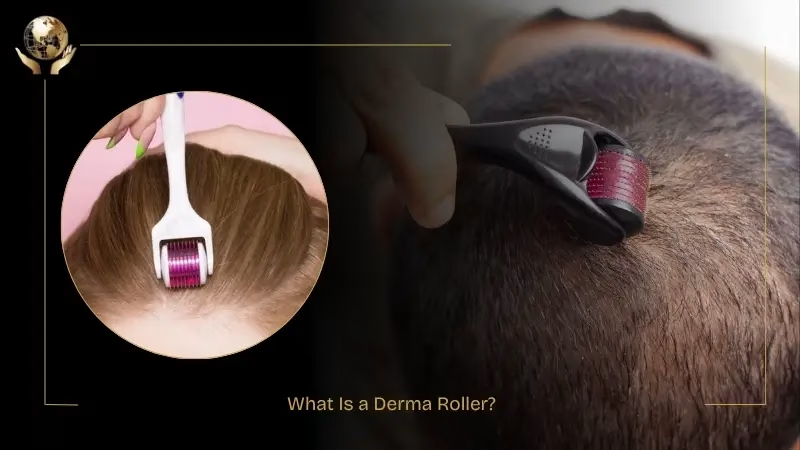
What Is a Derma Roller?
A derma roller is a handheld device with hundreds of microneedles mounted on a tiny wheel. When applied to the skin through microneedling, it stimulates skin regeneration and healthier tissue.
When used on the scalp, it boosts blood flow and starts collagen production. The small punctures also allow better absorption of oils or serums.
Common features:
- Needle sizes range from 0.25 mm to 2.5 mm.
- Comes in titanium and stainless-steel models.
- Can be used at home or in clinics.
| Feature | Purpose |
|---|---|
| Needle Length | Affects how deep the needles go |
| Material | Titanium lasts longer |
| Handle grip | Helps with comfortable use |
Always clean the roller with alcohol before and after use. Remember to replace it after 10–12 uses to avoid the risk of infection.

How Does a Derma Roller Work?
Derma rollers or skin rollers create a series of tiny holes on the scalp. This is an initiation process that stimulates the body to heal itself. This process increases the collagen production, enhances the blood flow and allows nutrients to enter the hair roots more easily.
During the process:
- Skin cells get replaced.
- Fibroblasts create more collagen.
- Stem cells near the follicles get activated.
- Keratinocytes help support hair regrowth.
This tool becomes more helpful when paired with serums or minoxidil, as the skin absorbs these products more easily.
Main Advantages:
- Wakes up sleeping hair follicles.
- Improves scalp blood supply.
- Helps topical products work better.
A study in the International Journal of Trichology found that 1.5 mm microneedling gave better hair growth than using minoxidil alone.
What Are the Benefits of Derma Roller for Hair Loss?
Consistent use of derma rollers offers many benefits for hair loss:
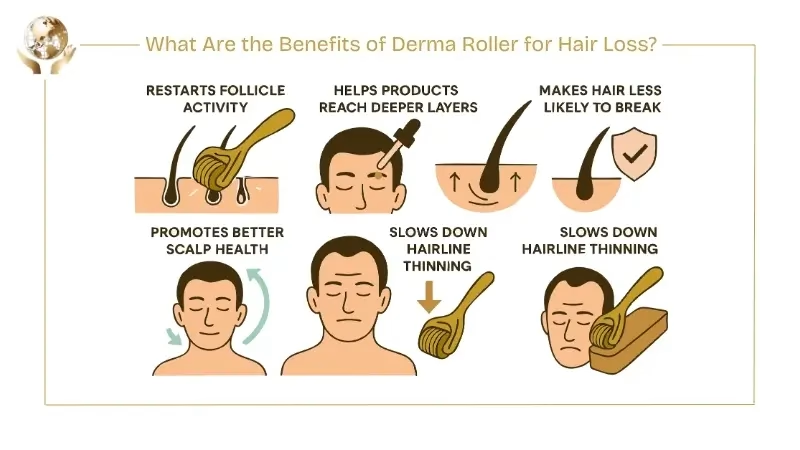
- Restarts follicle activity.
- Helps products reach deeper layers.
- Makes hair less likely to break.
- Promotes better scalp health.
- Slows down hairline thinning.
Use it with supplements like zinc or biotin to support your hair goals.
Can Derma Roller Regrow Hairline or Receding Hair?
A derma roller is capable of regenerating the hair at the hairline and on light thinning regions. It promotes growth factors such as Platelet-derived growth factor (PDGF) and Epidermal growth factor (EGF) that contribute to the repair and growth of the follicles.
In a 2013 study, two groups were tested:
- Group A: Used 5% minoxidil only.
- Group B: Used 5% minoxidil plus weekly microneedling (1.5 mm).
Group B had four times more new hair growth than Group A.
Key points to follow:
- Use 0.5 mm or 1 mm on the hairline.
- Do not press too hard while rolling.
- Use with oils or growth serums like rosemary oil.
People on Reddit and other forums have shared photos of tiny new hairs forming near the hairline in a few weeks.
Derma Roller Sizes: Which Should You Use?
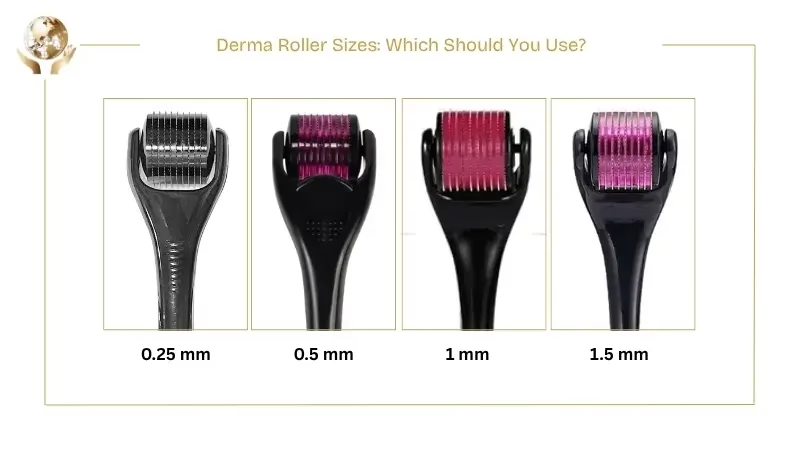
The needle size decides how deep the tool penetrates, and each length has a different purpose.
| Needle size | Use case |
|---|---|
| 0.25 mm | Helps product absorption only |
| 0.5 mm | Boosts blood flow and follicles |
| 1 mm | Treats light to medium hair loss |
| 1.5 mm | Used for severe hair thinning |
The best derma roller length for hair growth is between 0.5 mm and 1.5 mm, based on the severity of hair loss. For beard areas, begin with 0.5 mm.
Tips:
- Do not use 1.5 mm rollers without guidance.
- Titanium lasts longer and stays sharp.
- Do not overuse, as it may hurt the scalp.
Who Is a Candidate for Derma Rolling and Who Isn’t?
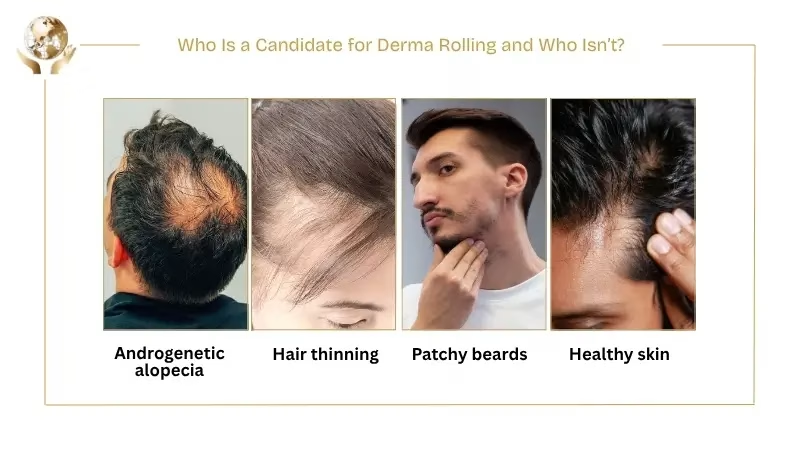
Most adults with mild to moderate hair thinning can use a derma roller, but it is not suitable for everyone.
Ideal Candidates:
- People with androgenetic alopecia
- Men and women with thinning at the edges
- People with patchy beards
- Those with healthy skin on the scalp
Avoid If You Have:
- Active infections like folliculitis
- Skin issues like dandruff, psoriasis, or eczema
- History of keloids
- Are pregnant or on blood thinners
Always remember to ask a doctor before combining microneedling with treatments like PRP or finasteride.
When and How Often Should You Use a Derma Roller?
How often you use the roller depends on the needle length because using it too often may harm the scalp or delay results.
| Needle size | Frequency |
|---|---|
| 0.25 mm | 2–3x per week |
| 0.5 mm | 1–2x per week |
| 1 mm | Once per week |
| 1.5 mm | Every 10–14 days |
General Tips:
- Always roll on clean, dry skin.
- Do not apply minoxidil right after using 1.0 mm or longer.
- Wait 12–24 hours and then apply serums or oils.
- Stick to your schedule and do not overuse.
How to Use a Dermaroller for Hair Loss
In order to achieve the best results for hair loss through derma rolling, following the steps below is advised:
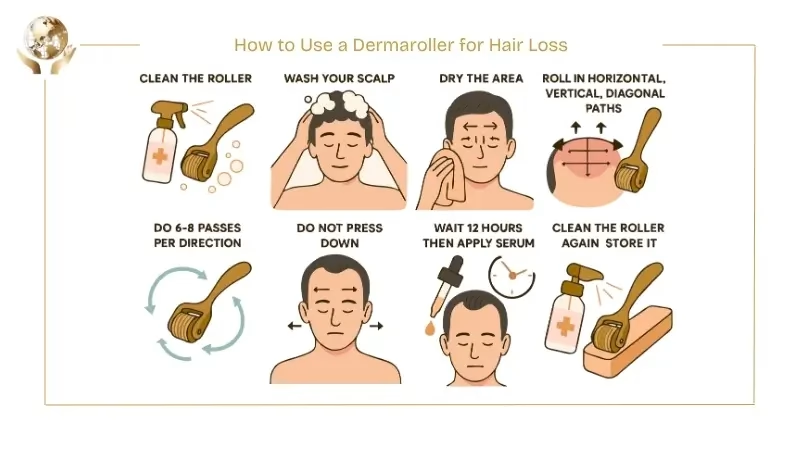
- Clean the roller with 70% alcohol.
- Wash your scalp with mild shampoo.
- Dry the area completely.
- Roll in horizontal, vertical, and diagonal paths.
- Do 6–8 passes per direction.
- Do not press down.
- Wait 12 hours, then apply a non-alcoholic serum.
- Clean the roller again and store it.
Focus on:
- Hairline
- Temples
- Crown
Avoid broken skin or any acne area to avoid further damage.

What to Expect from Derma Rolling: Hair Growth Timeline
Although very subtle, derma rolling has been a game changer for many. Users often see visible changes after routine use.
| Time frame | Changes seen |
|---|---|
| 1 week | Less shedding, better scalp feel |
| 1 month | New hairs start growing |
| 3 months | Denser hair in thin areas |
Online users frequently post photo updates, with many reporting clear growth in 2–3 months with proper use and care.
Derma Roller Side Effects & Safety Tips
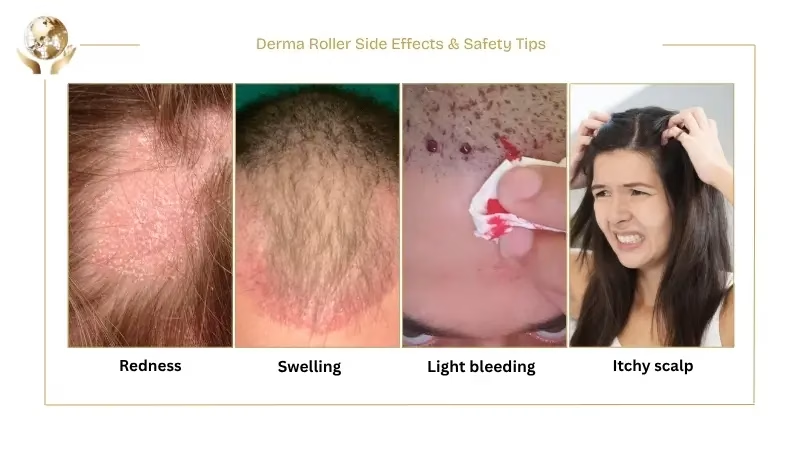
Just like other aesthetic tools, a derma roller has common side effects, including:
Common issues:
- Redness
- Swelling
- Light bleeding
- Dry or itchy scalp
Less common risks:
- Infections
- Sensitive skin
- Scarring
Safety tips:
- Always clean the tool.
- Do not share it with others.
- Avoid alcohol-based serums right after use.
- Use sunscreen when outside.
Which Derma Roller Is Best for Beard & Hair Growth?
Beard and scalp hair differ in texture and thickness, so different needle sizes are recommended.
- For Beard: Use 0.5 mm to 1.0 mm needles. The skin there is thicker.
- For Scalp: Use 0.25 mm to 1.5 mm.
Beard rollers often have small heads for better control. Choose titanium for long-term use.
Tips for beard:
- Apply castor or peppermint oil.
- Use 2–3 times a week on thin spots.
- Massage lightly after serum use.
Common Dermarolling Mistakes to Avoid
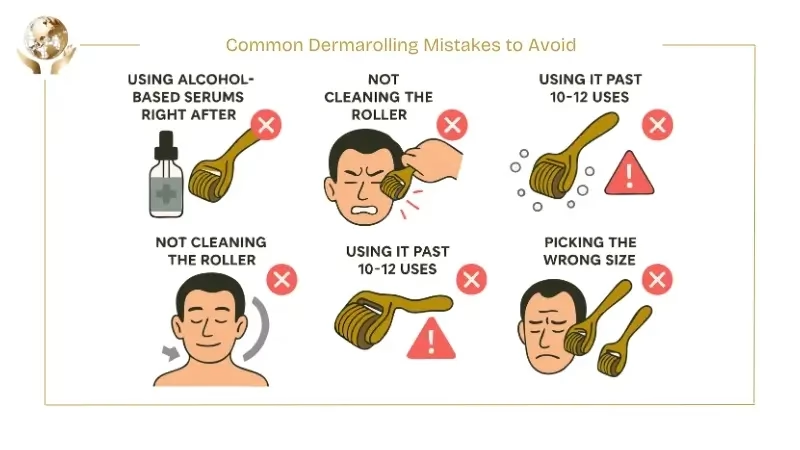
Avoid the following common mistakes:
- Using alcohol-based serums right after.
- Rolling too hard.
- Not cleaning the roller.
- Using it past 10–12 uses.
- Picking the wrong size.
Stick to your schedule because skipping steps or overusing the roller can slow down your results.
Derma Rollers vs Derma Stamps: Which Is Best?
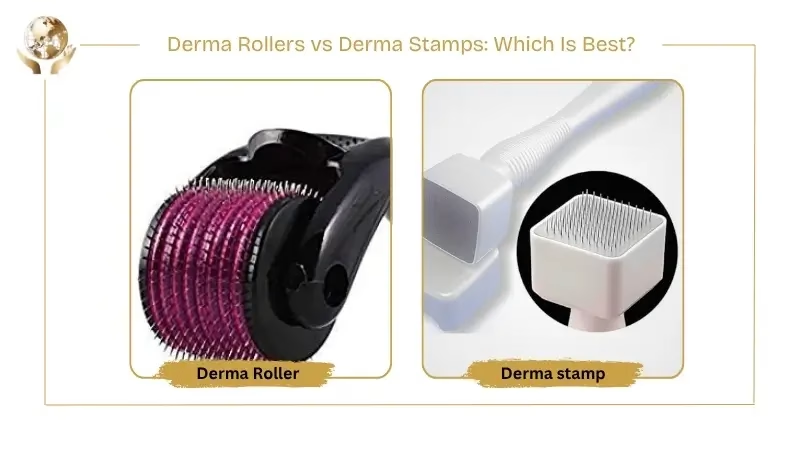
Both derma rollers and derma stamps have become trendy for hair loss.
| Tool | Pros | Cons |
|---|---|---|
| Derma Roller | Covers large areas faster | Less pressure control |
| Derma Stamp | Better for small areas | Slower for full scalp |
Use stamps for the hairline or beard and use rollers for the crown or bigger patches.
Home Derma Rolling vs Professional Derma Rolling
Derma rolling can be practiced at home or professionally to boost hair growth. There are clear differences between the two.
Home:
- Less costly
- Good for 0.25–1.0 mm use
Professional:
- Used for 1.5 mm+
- Done with extra care
- Can include PRP or other treatments
If you are unsure, begin with a clinic visit to learn the technique.
What Treatments Can You Pair with Derma Rolling?
Combining derma rolling works well with:
- Minoxidil (after 24 hours)
- Biotin-rich serums
- Peptide oils
- PRP (by trained providers)
Note: Avoid harsh products like retinoids right after microneedling.
How Long to Use a Derma Roller for Hair Growth
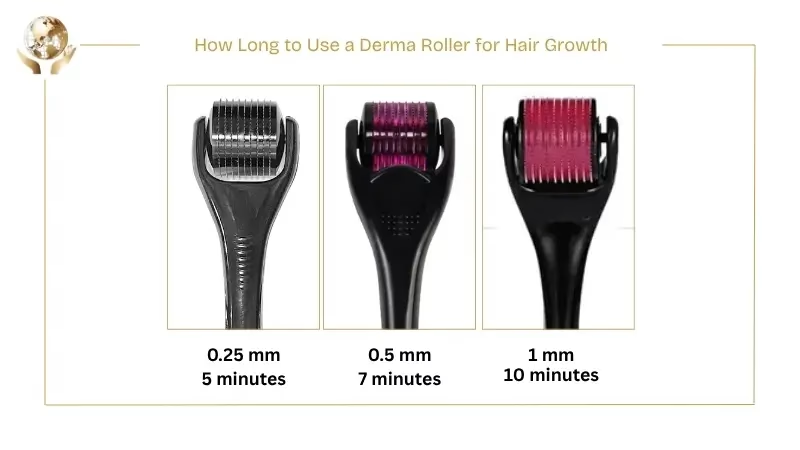
Session time varies by size, smaller rollers ones need little time, whereas larger sizes need longer time.
| Needle size | Time to use |
|---|---|
| 0.25 mm | 5 minutes |
| 0.5 mm | 7 minutes |
| 1.0 mm + | 10 minutes |
However, do not roll longer than needed because extra time will not speed up results.