




You look in the mirror, or maybe snap a selfie, and notice a swirl, a flat spot, or a patch of scalp peeking through at the crown of your head. Panic sets in. “Am I balding?”
Before you dive into full-blown anxiety or order every hair growth product online, let’s take a step back. What you’re seeing might not be hair loss at all. It could be a cowlick, a hair whorl, or, yes, possibly early signs of balding. But these are very different things.
This guide will help you understand:
- What cowlicks and hair whorls actually are
- What causes them (and why they’re not your fault)
- The key differences between natural patterns and real hair loss
- Signs of early balding you should watch for
- And how to style your hair to work with these patterns
Cowlick vs Hair Whorl vs Balding
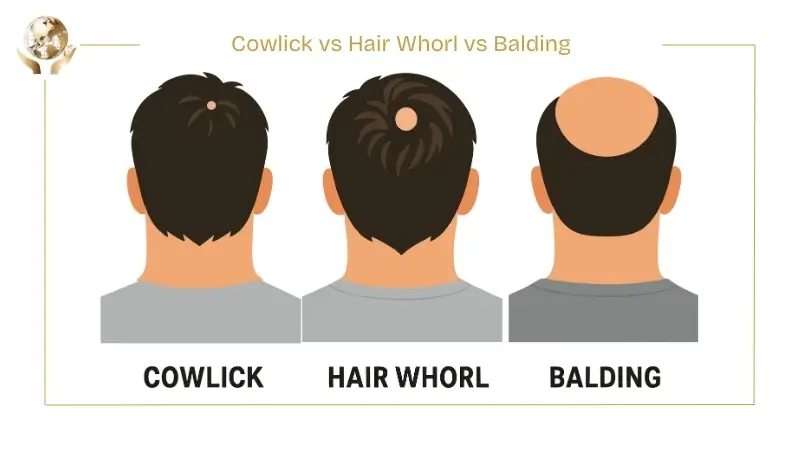
| Feature | Cowlick | Hair Whorl | Balding (Androgenetic Alopecia) |
|---|---|---|---|
| Definition | A section of hair growing in a different direction from the rest | A spiral growth pattern, typically at the crown | Progressive thinning or loss of hair over time |
| Location | Crown, hairline, temples, nape | Primarily crown | Temples, crown, hairline, part line |
| Cause | Genetics; set during fetal development | Genetics; established in utero (10–16 weeks gestation) | Genetics, DHT hormone sensitivity, aging |
| First Appearance | Present at birth | Present at birth | Usually starts after age 20–30 |
| Changes Over Time | Stable – does not progress or worsen | Stable – no change in size or pattern | Progressive – increases over months or years |
| Hair Condition | Normal thickness; strong strands | Normal thickness; strong strands | Hair becomes finer, shorter, and may eventually stop growing |
| Miniaturization Present? | No | No | Yes – follicles shrink and weaken |
| Visible Scalp? | May appear in harsh light or flash but no hair loss | May reveal scalp due to pattern but hair is healthy | Often increasing visibility over time, especially at crown/temples |
| Is It Reversible? | No (but manageable with styling) | No (but not problematic) | Sometimes – early treatment can slow or reverse loss |
| Common Misconceptions | Mistaken for balding in photos | Believed to predict intelligence or balding (not true) | Often mistaken for cowlick in early stages |
| Genetic Influence | Strong | Strong | Strong – family history is a key factor |
| Styling Solutions | Textured styles, undercuts, fades, Ivy League, buzz cuts | Long top styles, layered looks | Thicker styles, minoxidil, finasteride, hair transplant (advanced) |
| Medical Attention Needed? | No | No |
Yes – see a dermatologist or hair specialist |
What Is a Cowlick?
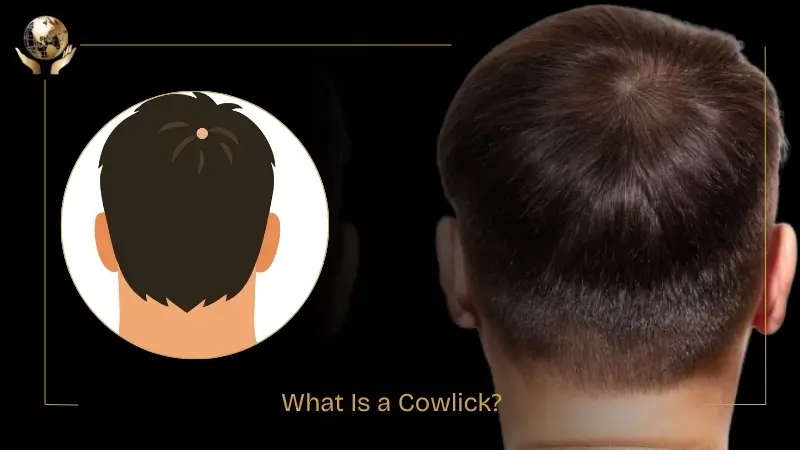
A cowlick is a hair growth pattern where strands grow in a different direction than the surrounding hair. This causes a “sticking up” or “swirl” appearance, especially when hair is short. They’re most commonly found:
- At the crown of the head
- Along the hairline
- At the temples or nape
The term “cowlick” comes from the swirling fur pattern left after a mother cow licks her calf—pretty vivid, right?
- Present from birth (develops in the womb)
- Caused by angled hair follicles
- Affects both men and women
- More noticeable in people with straight or fine hair
- Completely normal and harmless
You can’t permanently “fix” a cowlick—it’s determined during fetal development—but you can manage it with smart haircuts and styling products.
What Is a Hair Whorl?
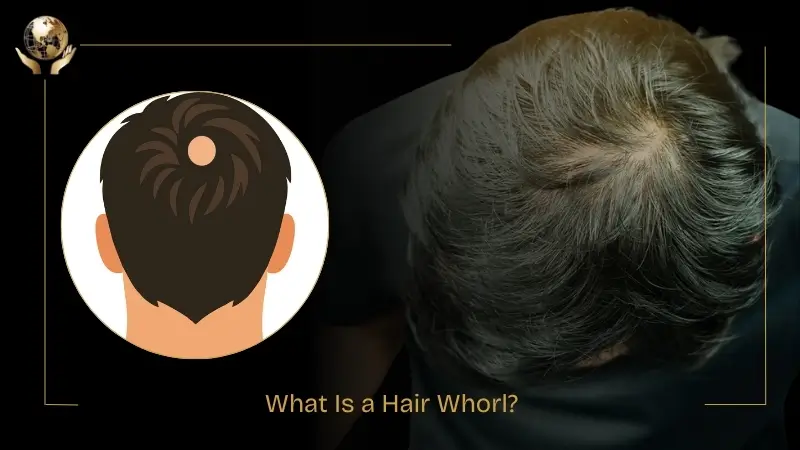
A hair whorl is a spiral pattern of hair growth, usually centered at the crown of your scalp. It’s where your hair radiates out in a circular or swirling fashion—like the eye of a storm.
Most people have one hair whorl, but some have two (or even three). This is called a double crown or triple crown.
- Genetic and not associated with hair loss
- Formed between 10–16 weeks in utero
- Direction is usually clockwise (~89% of people)
- Number and placement vary by ethnicity and family history
Some myths claim double crowns mean higher intelligence or predict balding. There’s no science behind either.
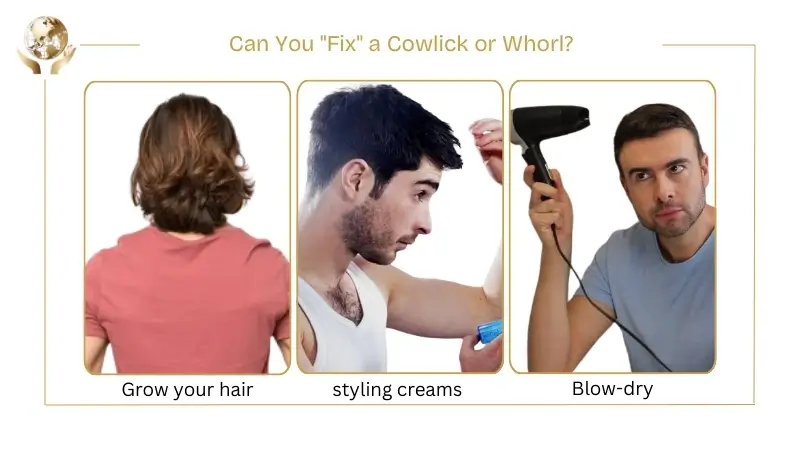
Can You “Fix” a Cowlick or Whorl?
Not really. Since your hair follicle direction is genetically fixed, there’s no product or technique that can permanently reverse it.
But the good news? You can control how it looks.
- Grow your hair longer in that area to weigh it down
- Use styling creams, pomades, or wax to direct the hair
- Blow-dry in the opposite direction to “train” it (temporarily)
- Choose a haircut that works with, not against, the pattern
Is It a Cowlick or Am I Balding?
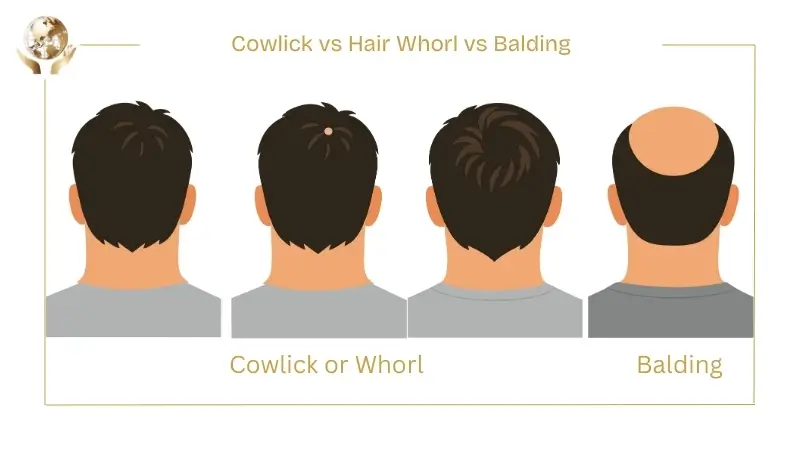
Here’s the main thing to understand:
Cowlicks and whorls are stable. Balding is progressive.
In other words, if you’ve always had that swirl and it hasn’t changed—you’re probably fine. But if you’re noticing new thinning, shedding, or visible scalp, it could be something more.
Cowlick or Whorl:
- Has always been there
- Hair feels thick and strong
- Pattern stays the same over time
- Looks more obvious under strong light or flash photos
Balding:
- Hair becomes finer and wispier
- Visible scalp area increases over weeks/months
- May include receding hairline or thinning temples
- Often starts in an M-shape or crown spread
What Is Miniaturization (and Why It Matters)?
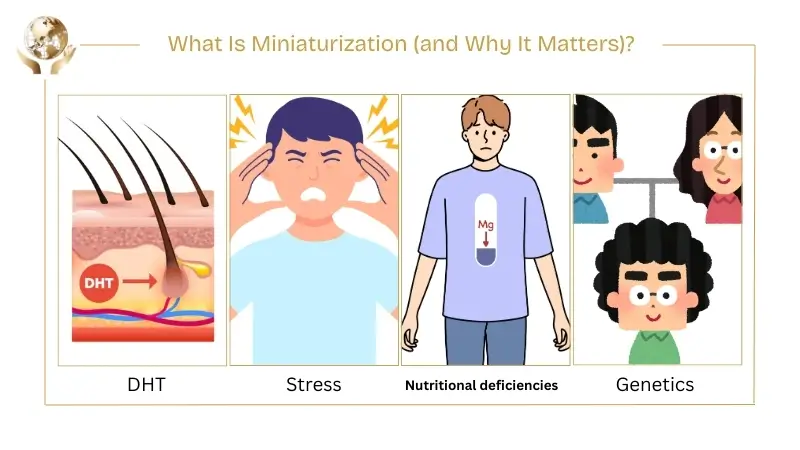
If you’re concerned about balding, the most important process to understand is miniaturization.
This is when hair follicles gradually shrink, producing shorter, finer hairs due to:
- DHT (dihydrotestosterone) sensitivity
- Stress
- Nutritional deficiencies
- Genetics
As miniaturization continues, follicles stop producing hair altogether, leading to permanent baldness. A cowlick does not cause miniaturization. If there’s no miniaturization, there’s no balding.
What Are The Best Hairstyles to Tame a Cowlick
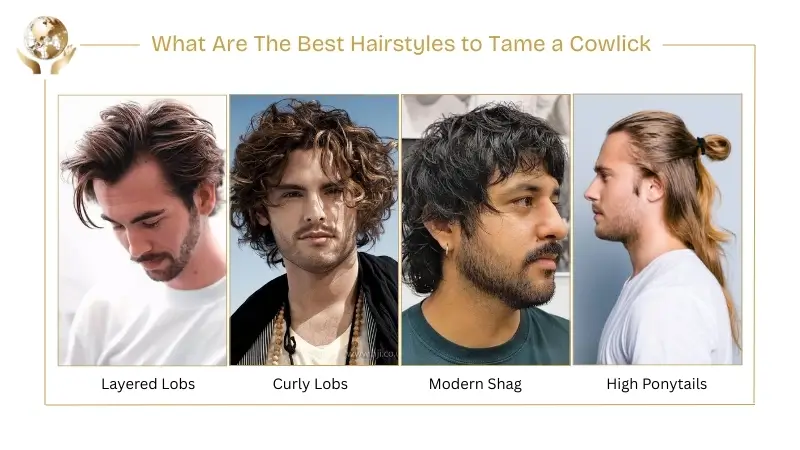
Whether your cowlick is at your hairline, crown, or nape, the right haircut can make a world of difference. Here are some stylist-approved options:
For Cowlicks & Hair Whorls
- Layered Lobs (Long Bob Cuts): A lob gives you just enough length to weigh down unruly growth patterns while keeping things modern and manageable. Adding layers helps blend in swirls and cowlicks, making them far less noticeable.
- Curly Lobs & Loose Waves: Texture is your best friend. Curls and waves distract the eye from cowlicks and create movement, softening any uneven hair direction.
- Modern Shag: With shaggy layers and natural volume, this style works with your cowlick instead of fighting it. It blends irregular patterns into the overall texture, making styling easier and more forgiving.
- High Ponytails with Face-Framing Strands: Want a sleek look that controls your cowlick? A high ponytail can pull hair tight, smoothing out unruly growth—just be careful if you have thinning at the crown or nape, as it may expose those areas.
- Slicked-Back Buns: Great for taming front hairline cowlicks. The bun’s tension keeps everything in place. Just watch for over-styling, which can put stress on delicate hair.
For Balding or Thinning Hair
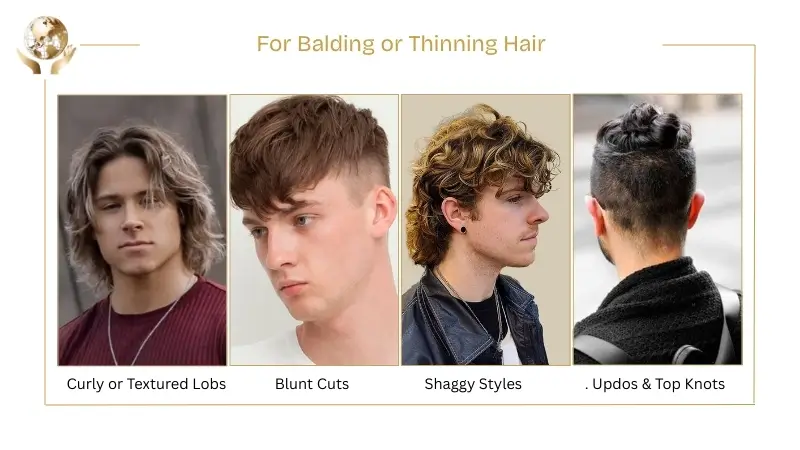
- Curly or Textured Lobs: Longer styles with curls create the illusion of fullness. Products like Ouai Wave Spray or Pureology Soft Finish can add hold and definition without weighing hair down.
- Blunt Cuts: A blunt cut at the ends gives a thicker appearance instantly. It’s a great choice for fine hair that’s losing volume.
- Shaggy Styles: Just like with cowlicks, shags can disguise thinning spots thanks to layered movement and volume.
- Updos & Top Knots: These can hide crown thinning while keeping the rest of your look stylish—just ensure they’re not too tight, and avoid exposing the nape if that area is thinning.