



Hair loss is an issue with men of all ages, and it’s more common than you think. While people often associate this with genetics, the reality is far more complex. Hair loss can develop gradually or suddenly. It can affect specific areas or the entire scalp. Also, it can be temporary or permanent depending on the underlying cause.
Understanding why hair loss occurs is the first step toward managing it effectively, and that’s exactly what we’ll do today. Let’s start with a simple definition.
On androgenetic alopecia: A comprehensive clinical review notes that “male androgenetic alopecia (MAA) is the most common form of hair loss in men, affecting 30–50% of men by age 50” and progresses with characteristic thinning patterns on the scalp.
Hair Loss in Men Explained
Hair loss is a medical condition that occurs when the standard balance between hair growth and shedding is disrupted. Healthy hair usually grows continuously. However, each strand has a limited lifespan, so when new hair fails to replace the old, shed hair, patients will notice visible thinning or bald patches.
Also, did you know that some men experience mild hair thinning, while others lose hair extensively over time? Another thing is that, even though conditions like scalp hair loss include and lead to the most common concerns, hair loss can also affect the eyebrows, beard, or other areas of the body. It all depends on the underlying cause, so getting tests and talking to your doctor to determine the source of the problem should be your first step.
How Hair Growth Works: The Hair Growth Cycle
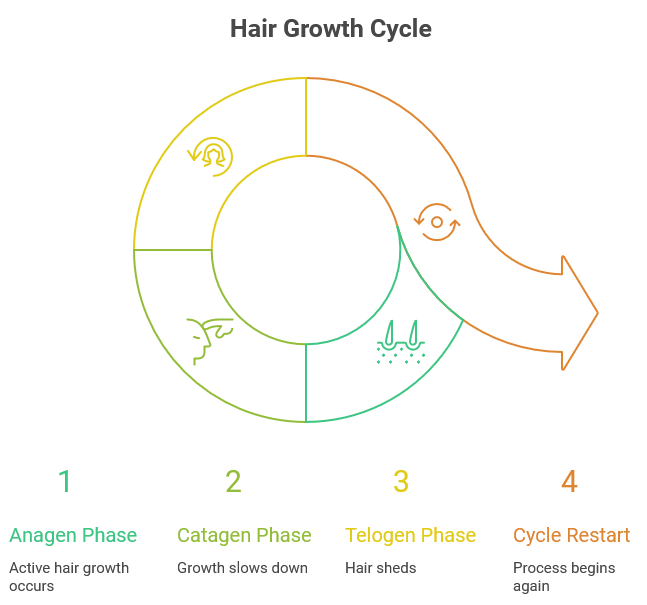
Hair grows from hair follicles, which are specific structures beneath the skin, and each follicle follows a repeating cycle that consists of three phases.
- Anagen (the growth phase) represents active hair growth and lasts several years.
- Catagen (the transition phase) is a short period during which growth slows.
- Telogen (the resting phase) is the final phase during which hair sheds.
After the third phase, the cycle restarts.
If there is a disruption at any stage of this cycle, the patient could experience hair thinning or shedding.
The Main Causes of Hair Loss in Men
Male pattern baldness (androgenetic alopecia) is the most common type. It is inherited and hormone-related, and it’s most common in men with a family history of baldness. It typically begins with a receding hairline or thinning at the crown. Female pattern hair loss works in more or less the same way.
Alopecia areata is an autoimmune disorder where the immune system mistakenly attacks hair follicles. This leads to sudden, patchy hair loss on the scalp and in other areas. Hair will regrow on its own in most cases, but the condition can persist or recur.
Medical treatments and conditions like thyroid disorders, anemia, scalp infections, and others can cause hair loss. Chemotherapy or radiation therapy can result in hair shedding as a side effect. Hair often regrows once the treatment ends, but unfortunately, this is not always guaranteed.
Traction Alopecia develops as a side effect of prolonged tension on the hair, such as with tight hairstyles, headwear, or poor grooming habits. Repeated pulling can damage follicles and lead to permanent hair loss.
Stress and lifestyle factors can also lead to temporary hair shedding. Major life events, illness, rapid weight loss, and similar stressful situations can cause hair to enter the resting phase, leading to noticeable shedding.
Here’s a quick table of the common causes, showing whether each condition is reversible.
Cause | Typical Pattern | Reversibility |
Androgenetic alopecia | Gradual thinning, receding hairline | Often permanent |
Alopecia areata | Sudden patchy loss | Sometimes reversible |
Traction alopecia | Hairline or localized thinning | Reversible if early |
Medical conditions | Diffuse shedding | Depends on the condition |
Stress-related shedding | Temporary thinning | Usually reversible |
Symptoms and Early Signs of Hair Loss in Men
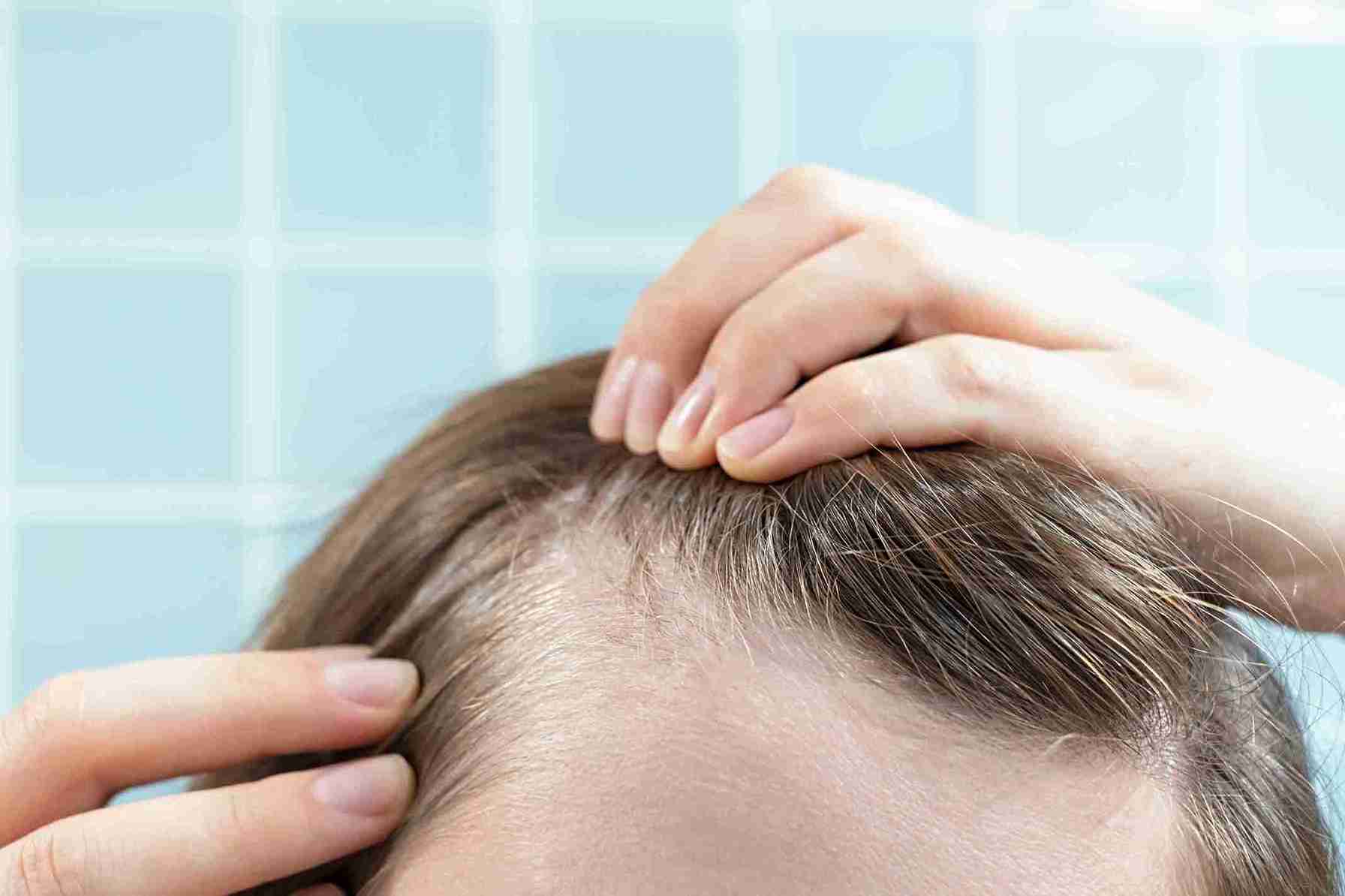
Recognizing those early signs can help you take action on time. If you notice gradual thinning on top of the head or increased hair shedding after a shower, those might be the early signs we’re talking about. Patchy bald spots, diffuse thinning across the scalp, and similar issues should not be overlooked.
Monitoring changes over time is also very important.
When Should Men See a Doctor? What’s the Right Time?
Here are the most common scenarios when you should definitely call your doctor to schedule an appointment.
- Your hair loss is sudden
- You notice patches of missing hair
- Your hair loss is accompanied by itching or pain
- Your hair loss occurs due to fatigue or weight changes
The doctor will identify underlying causes and determine whether treatment is necessary.
Can Hair Loss in Men Be Prevented?
Unfortunately, the answer might not be to your liking, but not all hair loss can be prevented, particularly the type of hair loss that comes from your genetics. A balanced diet, stress management, avoiding tight hairstyles, and treating scalp conditions early can reduce the risk and even slow progression.
Early diagnosis offers the best options for effectively managing hair loss. You can try to hide hair loss by using certain hairstyles that add volume, cover thinning areas, or draw attention away from receding hairlines.
For men experiencing advanced or permanent hair loss, procedures such as a hair transplant in Istanbul have become an increasingly popular option due to experienced specialists and modern treatment techniques.
FAQs
What is the most common cause of hair loss in men?
The most common cause is androgenetic alopecia (male pattern baldness), and this issue stems from genetics and hormonal sensitivity.
Is hair loss in men always permanent?
The answer is no. Some forms, such as stress-related shedding or hair loss linked to certain illnesses, may be temporary. Others can result in permanent hair loss if follicles are damaged.
At what age do men start losing hair?
Men can begin to lose hair as early as their late teens or early twenties, though it most commonly becomes noticeable in adulthood.
Can stress cause hair loss in men?
Yes. Stress can push hair follicles into their resting phase. This leads to increased shedding after a few weeks.
How do I know if my hair loss is genetic?
If you have a family history of similar hair loss patterns, this often indicates that the cause is genetic.