




If you are planning a hair transplant procedure, don’t look at it as a significant financial investment, but rather as an investment in your appearance and confidence. The surgery itself is the first step, but the aftercare phase is just as important if you want to get the best possible density and the most natural look for your hair grafts.
One of the most frequently discussed topics during recovery is the role of medication, and many patients wonder if using topical minoxidil is a requirement or simply a recommendation to enhance the final results.
In this guide, we will examine how this treatment interacts with your new hair and whether it is the right choice for your specific recovery process.
Is Minoxidil Necessary After a Hair Transplant?
The simple answer is that using minoxidil after a hair transplant is not strictly mandatory. The transplanted follicles can survive without it, but many surgeons still recommend using it.
The reason is simple. It is a potent vasodilator (increases blood flow to the scalp). Improved circulation ensures that newly implanted follicles receive the oxygen and nutrients they need to survive during the early healing stages.
Additionally, minoxidil helps preserve your existing hair (which was not part of the transplant procedure). By strengthening these hairs, you can prevent further thinning in surrounding areas, which provides a more natural-looking result as your new hair begins to grow.
The Pros and Cons of Minoxidil after a Hair Transplant
If you’re considering to start using minoxidil, it is important to review the pros and cons. The treatment can be very effective for a lot of people. But, as with any medication, individual reactions can vary.
Feature | Pros | Cons |
Growth Speed | Shortens the resting phase for hair follicles. | Requires consistent, daily applications. |
Hair Density | Thickens the existing and new hair strands. | Has a potential for minor scalp irritation. |
Blood Flow | Dilates blood vessels to improve nutrient delivery. | May cause temporary shedding in the initial phase. |
Long-term | It helps delay future hair loss in non-transplanted areas. | Results may diminish after stopping minoxidil. |
When Should You Start Using Minoxidil after a Hair Transplant?
Timing is a very important factor when you are applying any form of topical treatment to a healing scalp. Most clinics advise waiting at least two or four weeks after your hair transplant before you begin your minoxidil treatment. This will give the incisions enough time to close completely. Also, the grafts will anchor more securely.
Applying the solution too early can cause stinging, and it can interfere with the initial healing process. Always consult your surgeon during your follow-up appointments. That way, you’ll get a personalized timeline based on how quickly your skin is recovering.
How to Correctly Apply Minoxidil after a Hair Transplant?
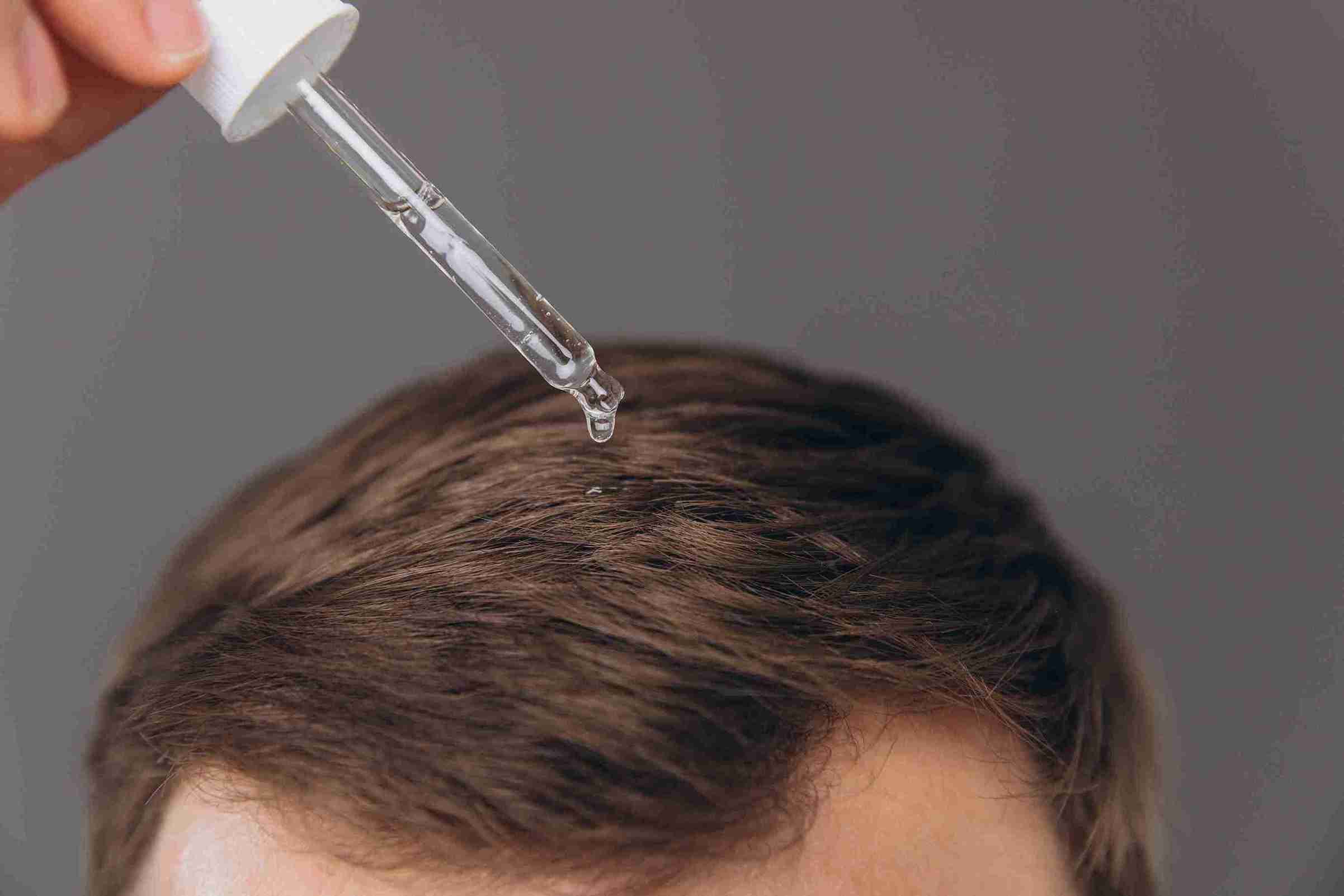
If you want to maximize hair regrowth without causing irritation, you must follow a specific application routine. Once your surgeon clears you to start, you can apply the recommended dosage (which is usually 1ml) directly to the targeted areas of the scalp.
Gently massage the solution using your fingertips, but be careful. You don’t want to use your fingernails or apply excessive pressure to the transplanted zones. As you can imagine, consistency is key here. Skipping doses can reduce the effectiveness of the treatment, which will hinder the growth phase of your hair and prolong the recovery process altogether.
Minoxidil vs. Finasteride after a Hair Transplant: Which is Better?
Let’s learn a little about these two products. Minoxidil focuses on blood flow, while Finasteride works by blocking DHT (the hormone responsible for male pattern baldness). The latter is often considered more effective at preventing the progression of pattern baldness over time.
A lot of experienced doctors will suggest that both treatments in tandem provide the best protection.
Minoxidil stimulates the surface, and Finasteride battles the hormonal cause of hair thinning from the inside. It’s a kind of dual-action approach to hair restoration. But still, before you commit to anything, consult your doctor to get the best possible treatment plan for your unique case.
What are the Alternatives to Minoxidil after a Hair Transplant?
You might be someone who has uncomfortable side effects of minoxidil. It can be anything from persistent itching to headaches. In such cases, there are other options available. Natural oils (like rosemary oil, for example) have shown some promise in stimulating the scalp. In all truth, they are generally less potent than medical-grade treatments.
Low-Level Laser Therapy (or LLLT for short) is another non-invasive option. This procedure uses light to stimulate cellular activity in the hair follicles.
And last but not least, we have Platelet-Rich Plasma (PRP) therapy. This can be performed at the clinic to promote healing and increase the hair diameter without daily topical applications.
Conclusion: Is Minoxidil Worth It after a Hair Transplant?
So, using minoxidil after a hair transplant in turkey is, as we have learned, an effective way to protect your investment. It helps you mitigate the risk of shock loss (a temporary condition where natural hair sheds due to the trauma of surgery), and if your doctor gives you the green light, you should go for it.
It will support both the new grafts and your original hair, and help you get a denser, fuller head of hair as the final result. The minor inconvenience of having to apply it every day is well worth the enhanced aesthetic results. However, we must note that each patient is unique, and you should consult your doctor to confirm their opinion.
FAQs
When can I use minoxidil after a hair transplant?
Typically, you can start using minoxidil two to four weeks after your hair transplant. As a general rule, you start using it once the scalp has fully healed.
Can minoxidil damage my transplanted grafts?
The answer is no. When you use it after the initial healing phase, the solution supports your hair grafts rather than harming them.
What happens if I don't use minoxidil after the operation?
Your transplanted hair will still grow, but you may experience a bit slower results or more visible thinning of your existing hair.
Can I combine minoxidil and Finasteride?
Yes, of course. Combining these two treatments is a common strategy to combat pattern baldness from multiple angles for better density.